The Ordimize journal
Why We Are Building Ordimize
Podcast production involves more than editing. Files, reviews, and handoffs need to stay connected so everyone knows what happens next. We are building Ordimize around that work, starting with audio editing, internal quality review, and revisions. This post explains the thinking behind it and what we still need to learn from real production teams.
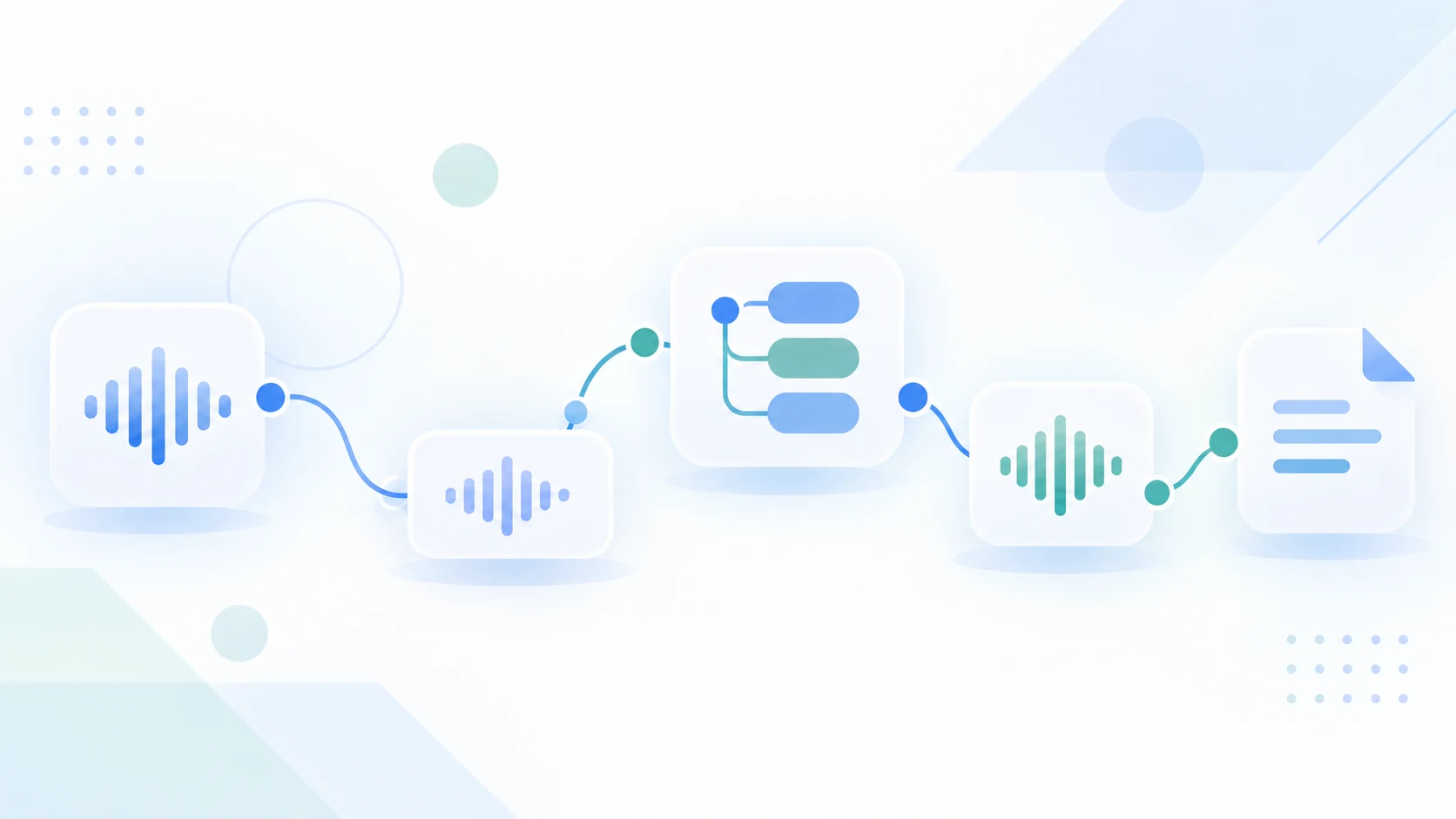
Imagine an editor finishing an episode, exporting the audio, uploading it to a shared folder, and marking the task done. The reviewer still needs the correct file and enough context to begin. If changes are requested, someone has to coordinate another edit and make sure the right version moves forward.
The editing is finished, but the episode is still moving through production. A delayed handoff or an overlooked message can hold things up without anyone making a serious mistake. This is the kind of problem that led us to start working on Ordimize.
Looking beyond the editing process
I have been exploring how podcast editors and production teams organize their work. What interested me most was what happens around the editing: collecting recordings, assigning jobs, transferring outputs, arranging reviews, and handling corrections.
There are already excellent tools for recording, editing, transcription, and hosting. Teams also use shared folders, task trackers, spreadsheets, and messaging applications to coordinate production. For many teams, that combination works well.
The difficulty begins when information about one episode is scattered. A task says the edit is complete, a folder holds the export, and a message explains the changes. Someone still has to put those pieces together to understand what can happen next.
A completed task still needs a handoff
The next person needs more than a status update. They need the correct output, the relevant instructions, and a clear indication that their work can begin.
- A quality reviewer needs the edited audio, not just a task marked complete.
- A show notes writer may need an approved transcript.
- Some work can happen in parallel; other work must wait for an earlier stage.
- A revision can change which file should move forward.
Often, the producer maintains these connections manually. They remember which files are current, what is waiting for review, and who needs to act. I started wondering whether the production process itself could keep track of more of this, while leaving creative decisions with the people doing the work.
What we are building with Ordimize
Ordimize is a podcast production workflow system being developed for editing agencies, production teams, and independent editors managing recurring work.
We want to keep tasks, files, assignments, and review decisions connected throughout an episode’s production. Each show should have a reusable workflow, while each episode keeps its own record of what actually happened.
Keep work and files together
Editors should be able to keep using Reaper, Pro Tools, Audition, Resolve, or whichever applications work best for them. Production media stays in customer-controlled storage, with Google Drive as the first provider.
We are planning a desktop companion to help editors receive assigned files, work locally, and submit outputs. That submission should connect the finished job to the actual file, confirm the transfer, and identify the next production step.
Make the next action clear
An editor should know whether an episode is ready. A reviewer should know which output to check. A producer should see what is progressing, what is waiting, and what needs attention.
If a review depends on an edited audio file, changing a task status should not make it ready by itself. The required work and its accepted output need to be available. Software cannot make every production decision, but it can make these dependencies clearer.
Treat revisions as new work
The first edit really was completed. The review really happened. A request for changes creates additional work, and we want the episode’s history to preserve that sequence.
In the first workflow, a manager will create another edit and quality-review round linked to the requested changes. Earlier outputs and decisions remain in the record, so the team can see both the current state and how it was reached.
What could this change in everyday work?
I think the value will be different for each person using it:
- Editors: less time finding files, clarifying instructions, and telling others that work is ready.
- Production managers: a clearer view of progress and delays across episodes, with fewer requests for updates.
- Agency owners: more room to delegate routine coordination without losing track of decisions.
These are outcomes we hope to achieve, not proven time savings. I do not want to promise a particular number of hours saved. We need to demonstrate the benefits through real use, and make sure maintaining the workflow does not create more work than it removes.
Starting small and learning from real work
We are deliberately starting with a practical production journey:
- Prepare an episode and its source files.
- Assign audio editing and submit the finished output.
- Complete an internal quality review.
- Add another edit and review round when changes are requested.
The web app handles coordination and episode records. The planned desktop companion handles assigned media preparation and production work. We are completing the web app first; the real-media trial will follow desktop development. Parallel workflows, dedicated client approvals, external collaborator journeys, and automated delivery come later.
There are still questions that real production work needs to answer:
- How much structure helps editors without adding unnecessary administration?
- How should the team handle exceptions to the normal process?
- What makes a failed file transfer easy to recover from?
- How can setup stay simple across different production styles?
I have ideas about these questions, but screens and specifications cannot settle them all. I also want to learn from teams whose existing systems work well. There may be practices worth learning from rather than replacing.
Ordimize is still being developed. If you have experiences, suggestions, or criticism to share, write to us. My hope is to make podcast production easier to manage without making the creative work more complicated.
All production notes →